Aero Flower: A Smart Embroidery Choice for Small Business Brands
First Impression: Friendly, Modern, and Professionally Adorable
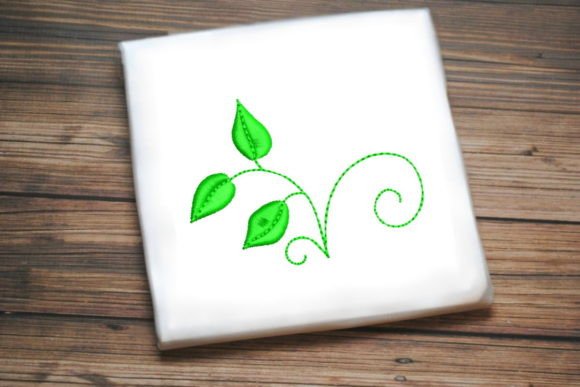
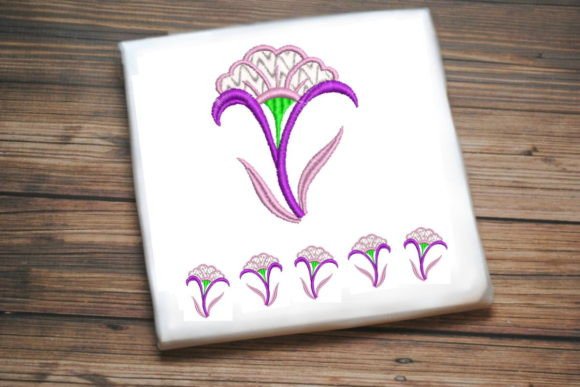
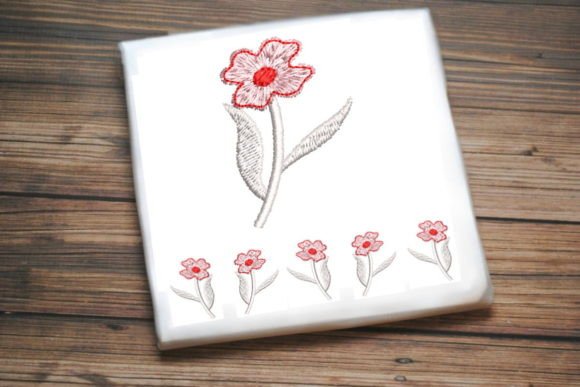
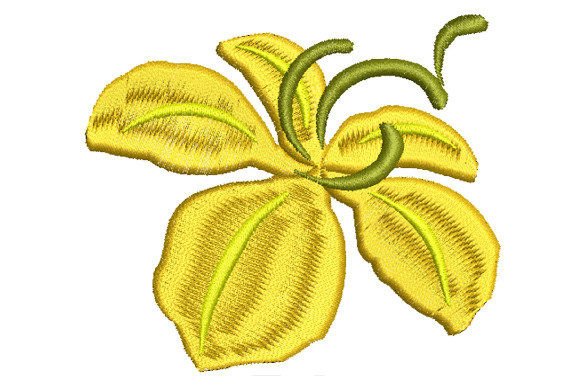
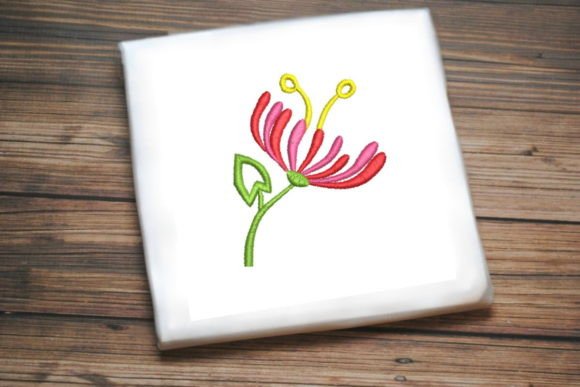
As an embroidery designer who’s developed and tested hundreds of designs for small business clients—from indie bakeries to boutique pet brands—I opened Aero Flower expecting charm. What I found was more: a clean, confident single flower motif that balances playfulness with polish. The name “Aero” hints at lightness and motion; “Flower” grounds it in warmth and organic appeal. Together, they signal a design that’s modern but not sterile, handmade but not amateurish. It fits squarely in the Single Flowers Plants category—but stands out because it feels intentional, not generic. For small business merch, that first impression matters: customers notice when a logo or accent feels thoughtfully chosen, not just tacked on.
Real-World Performance Across Business Touchpoints
Aero Flower shines where small businesses need versatility without compromise. On embroidered patches—whether sewn onto aprons for a local café or ironed onto tote bags for a creative studio—it reads clearly at 2.5"–3.5". Its open negative space and balanced petal structure prevent fill distortion on curved surfaces like cap fronts or sleeve cuffs. I’ve used it as a subtle chest accent on staff uniforms for a florist boutique, and it elevated the entire look—adding brand warmth without overwhelming the garment.
For custom apparel, Aero Flower works especially well on natural fabrics (cotton canvas, linen blends) and mid-weight knits. Its moderate stitch density avoids stiffness on breathable work shirts or lightweight aprons, while still holding up through repeated laundering—critical for food service or retail teams. As a tote bag design or product packaging accent, it scales cleanly into printable mockups, helping Etsy sellers and handmade brands present cohesive visual storytelling across digital and physical assets.
It also supports commercial embroidery workflows: the design layers logically, with smooth transitions between satin-stitch petals and clean outline stitches. That means fewer thread breaks during high-volume runs—and fewer re-hooping delays for shops handling orders for local events, pop-ups, or seasonal campaigns.
Where to Use Aero Flower Thoughtfully
Like any strong machine embroidery design, Aero Flower has sweet spots—and boundaries. Avoid shrinking it below 1.75" for embroidered patches unless you’ve tested it thoroughly: fine petal tips can blur or disappear on dense stabilizer or textured fabric like heavy twill or fleece. Cap embroidery demands extra attention—test placement on the front curve before digitizing full batches, and consider simplifying outer outlines if your base fabric is highly stretchy or low-count cotton.
Dark uniforms? No problem—Aero Flower’s open shape invites bold thread colors (navy on cream, gold on charcoal), but always verify contrast by stitching a black-and-white version first. High stitch density isn’t flagged in the description, but inspect the file closely: if inner fills are tightly packed, add lightweight tear-away stabilizer beneath and cutaway underneath for structured items like work jackets or reusable shopping bags.
How Aero Flower Strengthens Brand Identity
Small businesses don’t just sell products—they sell feeling. Aero Flower reinforces trust and recognition by projecting consistency and care. When customers see the same refined floral motif on a barista’s apron, the shop’s tote bag, and their takeaway pastry box, it signals intentionality—not randomness. That cohesion builds professionalism, especially for handmade product lines where perceived quality directly impacts perceived value.
For Etsy sellers and crafters, Aero Flower functions as a quiet differentiator. Unlike overused daisies or generic roses, its “aero” lift gives it memorability—making it easier for buyers to recall your brand after browsing dozens of listings. And because it’s rooted in the Embroidery category but designed with commercial use in mind, it supports long-term asset reuse: one digital embroidery file becomes part of your core design assets, adaptable across seasons, products, and platforms.
Practical Designer Notes Before You Stitch
- Always test in black and white first—to assess balance, spacing, and legibility before committing to thread colors.
- Check minimum viable size: stitch a 2" version on your target fabric + stabilizer combo before approving for client patches or caps.
- Review thread color contrast against both light and dark garments—especially if branding uses muted palettes.
- Inspect spacing between elements: tight petal gaps may close up on thick fabrics or with heavy underlay.
- Confirm hoop size compatibility with your embroidery machine and intended application (e.g., cap frames vs. flat hoops).
- Test on real fabric, not just stabilizer swatches—fabric texture changes how satin stitches lay and how outlines register.
- Use appropriate stabilizer: lightweight cutaway for structured items, tear-away for stable wovens, and fusible for lightweight linens.
- Create a printable mockup for client approval—showing Aero Flower on actual garment photos builds confidence pre-production.
- Compare beside other design assets: does it harmonize with your logo, typography, and existing patterns—or clash visually?
- Verify commercial licensing before using Aero Flower in client work, wholesale merchandise, or resale items.
Bottom line: Aero Flower isn’t just another floral embroidery file. It’s a strategic, scalable element for small business merch—designed to elevate apron embroidery, refine cap embroidery, soften tote bag design, and unify brand touchpoints with quiet confidence. Whether you’re a solo craftsperson building an Etsy shop or an embroidery shop supporting local retailers, this digital embroidery file earns its place in your production queue—not as filler, but as foundation.