Green One Line Flower
A Designer’s First Impression: Clean, Calm, and Quietly Confident
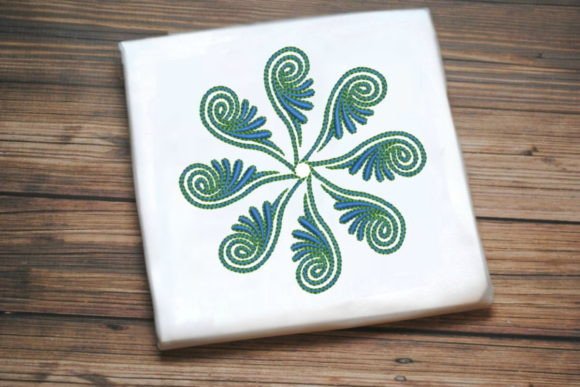
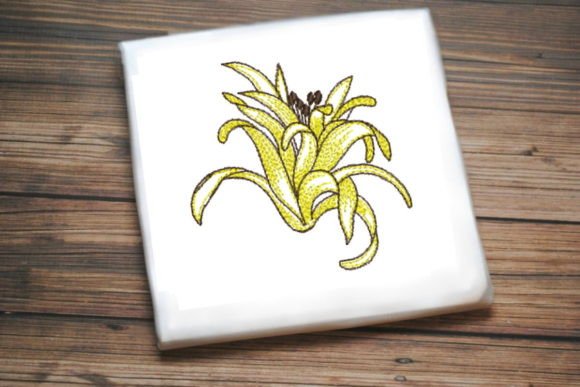
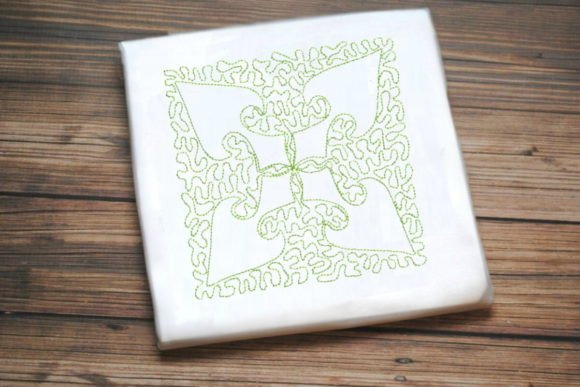
When I opened Green One Line Flower for the first time, I didn’t see “cute” or “trendy”—I saw intention. It’s a single-line botanical motif that flows like a breath: no sharp angles, no fussy fill areas, just one continuous, rhythmic curve forming a stylized bloom. The line weight feels deliberate—not too thin to vanish on textured fabric, not so bold it overwhelms delicate items. It lands somewhere between modern minimalism and quiet heirloom charm. That makes it unusually versatile: equally at home on a linen tea towel for a boutique kitchen line or as a subtle chest accent on a baby onesie.
Real-World Use Case: A Custom Embroidered Tote for a Local Florist
Last week, I used Green One Line Flower on a natural canvas tote bag for a small florist client—part of a limited-run gift set with dried lavender sachets. We stitched it centered on the front panel, 3.2 inches wide, using matte green thread on unbleached cotton. The result? Instant cohesion. No busy background, no competing graphics—just that smooth, organic line holding space with quiet authority. Customers paused to trace its shape with their fingers. Several asked, “Is that hand-drawn?” (It’s not—but the design’s fluidity fools the eye in the best way.) That’s the kind of handmade impression that builds trust and justifies a premium price point.
Where It Shines—and Where to Pause
Green One Line Flower performs beautifully across common embroidery applications—but context matters:
- Custom apparel: Excellent on sweatshirts and structured tees where the line holds crispness; avoid ultra-stretchy performance knits unless stabilized heavily—the single-line flow can distort under tension.
- Tote bags & aprons: Ideal. The design reads clearly at medium scale (2.5–4 inches), and its open structure avoids bulk or stiffness.
- Baby embroidery & nursery decor: A standout. Its gentle rhythm feels soothing, not cutesy—perfect for organic cotton blankets or muslin pillow covers.
- Embroidered patches: Works well as an iron-on or sew-on motif, especially when backed with lightweight fusible web. Just confirm your patch fabric won’t cause the line to feather at edges.
- Holiday or wedding gifts: Surprisingly effective. Stitched in sage or dusty rose thread on ivory linen, it reads as seasonal without cliché—think “spring brunch napkins” or “thank-you pouches.”
Use caution on dark or highly textured fabrics—test contrast first. On fleece or terry cloth, the line may soften visually; consider slightly increasing stitch density or adding a light underlay. And while it’s labeled for Single Flowers Plants, don’t force it into dense bouquets—it’s a soloist, not a chorus member.
What It Adds to Your Finished Product (Beyond Pretty)
This isn’t just decoration—it’s a subtle value amplifier. Because Green One Line Flower is inherently legible and balanced, it elevates perceived craftsmanship. On Etsy listings, it helps handmade products stand out in grid view: clean, confident, and instantly scannable. For craft fair shoppers, it signals thoughtfulness—not just “I embroidered something,” but “I chose something that *means* something.” It also supports brand consistency: if you’re building a nature-inspired line of kitchen textiles or botanical-themed baby goods, this design becomes a quiet throughline—reliable, recognizable, and refreshingly uncluttered.
Practical Designer Notes Before You Stitch
Before committing to a client project or production run, here’s what I always do with Green One Line Flower:
- Run a test on scrap fabric matching your final substrate—especially important for stretchy or napped materials.
- Check thread color contrast in natural light *and* on camera. A soft mint thread might disappear on pale linen in photos but pop in person.
- Review stitch density: since it’s a single-line design, there shouldn’t be heavy fill zones—but verify no unintended jump stitches or nesting in tight curves.
- Confirm hoop size compatibility. At standard scaling, it fits comfortably in a 4x4 hoop—but if resizing beyond 120%, recheck alignment and pull compensation.
- Inspect small details at 200% zoom: does the line terminate cleanly? Are corners smooth, not jagged? This affects professionalism in close-up product shots.
- Test black-and-white mockups. If it reads well in monochrome, it’ll translate reliably across fabric colors and lighting conditions.
- Use appropriate stabilizer: tear-away for stable wovens, cut-away for knits or lightweight silks.
- Verify licensing terms before selling finished items or bundling the embroidery file as part of a digital product. While it’s described as high-quality and easy to stitch, commercial use rights aren’t stated—so check before listing on Etsy or integrating into a craft business kit.
Final Thought: Less Is Anchored, Not Empty
In a market flooded with overworked floral motifs, Green One Line Flower stands out by doing less—and meaning more. It doesn’t shout. It doesn’t compete with fabric texture or garment silhouette. Instead, it settles in with calm assurance. Whether you’re stitching personalized gifts, building a cohesive craft business identity, or sourcing reliable design assets for custom apparel, this is the kind of embroidery file that earns repeat use—not because it’s flashy, but because it’s trustworthy. It reminds us that elegance in machine embroidery isn’t about complexity. It’s about clarity, rhythm, and the quiet confidence of a line drawn just right.