Orange Flowers Border: A Designer’s Real-World Review
First Impressions: Fresh, Classical—But Not Fussy
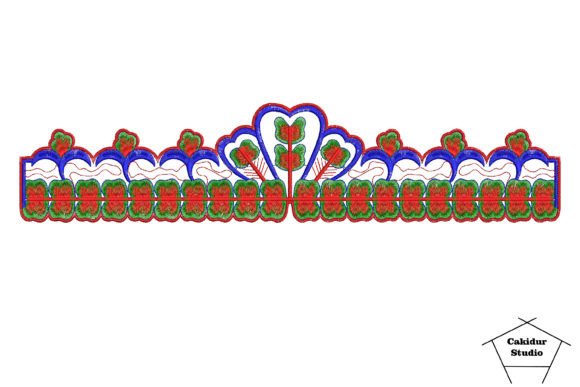
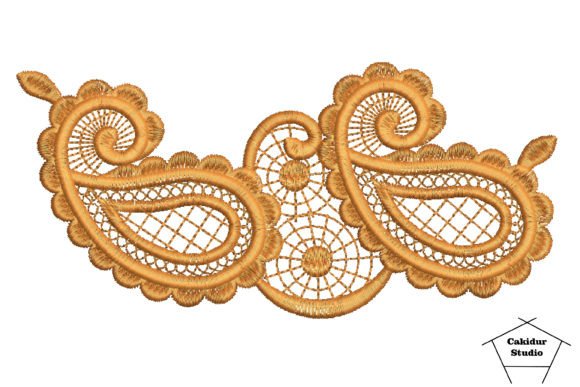
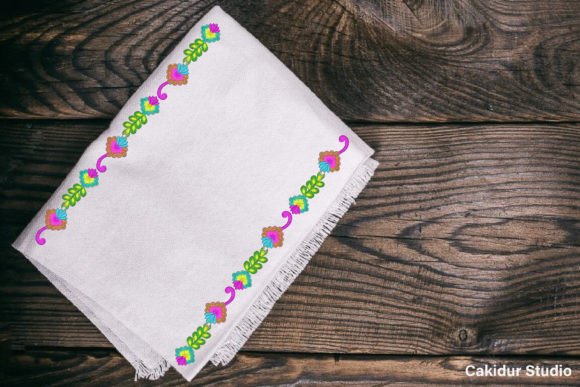
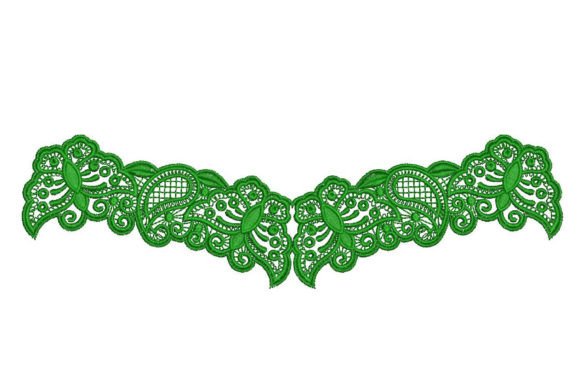
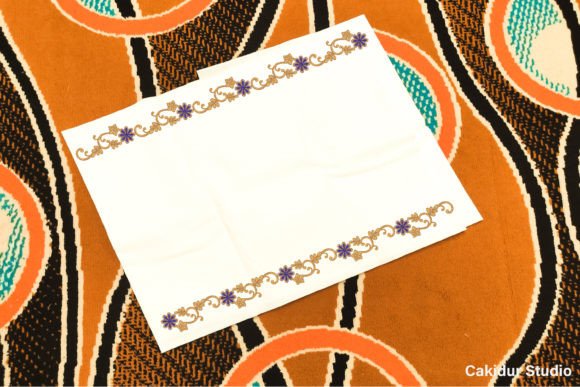
When I opened the Orange Flowers Border embroidery file, what struck me wasn’t just the color name—it was the balance. These aren’t literal orange blossoms or botanical sketches. They’re abstract flowers: soft curves, open negative space, rhythmic repetition without rigidity. The mood is cheerful but grounded—like a sunlit herb garden seen through vintage glass. It feels classical in structure (think symmetrical flow and graceful spacing), yet fresh in execution thanks to its simplified shapes and breathing room between motifs. This isn’t a border that shouts; it whispers intention. And that makes it unusually versatile for real project use—not just as decoration, but as quiet branding.
A Tote Bag Test: Where Personality Meets Practicality
Last week, I stitched Orange Flowers Border along the bottom hem of a natural canvas tote for a local boutique launch. No embellishments—just the border, 3.5" tall, centered on one side. The result? Instant elevation. Customers paused mid-browse. Not because it was flashy, but because it felt *considered*. That’s the power of this design: it adds handmade warmth without overwhelming the product. On the tote, it read as artisanal—not craft-fair-cute, not corporate-clean, but somewhere confidently in between. For Etsy sellers or small shop owners, that nuance matters. It tells buyers, “This wasn’t mass-produced. Someone chose this detail.”
Where It Shines (and Where It Asks for Care)
Orange Flowers Border excels on stable, medium-weight fabrics where stitch definition stays crisp: cotton tea towels, linen pillow covers, denim aprons, and baby swaddles. Its abstract shapes hold up beautifully on sweatshirt embroidery—especially when paired with a subtle monogram or initial inside the border’s open center. As a machine embroidery design, it avoids overly dense fill stitch clusters, so it stitches cleanly even on lightweight knits—if you use tear-away stabilizer underneath and avoid over-stretching the fabric in the hoop.
But here’s where attention matters:
- Curved surfaces (like caps or curved pillow edges): The repeat works best on straight or gently arced lines—not tight curves. Test a single motif first before committing to full-wrap cap embroidery.
- Dark or textured fabrics: Because the design relies on shape more than fine line work, it reads well on charcoal twill or bouclé—but avoid pairing light orange thread with black fabric unless you want low contrast. Try mustard or burnt sienna instead for richer depth.
- Tiny hoops or dense layers: If your hoop size is under 4"x4", consider using only a 2–3 motif segment—not the full repeat. Overcrowding loses the airy rhythm that makes this border special.
- Frequent-wash items (baby onesies, kitchen towels): Stick with high-quality polyester thread and a light cutaway stabilizer. The satin stitch petals hold up well, but running stitch outlines can soften over time if undersupported.
Design Integrity in Commercial & Handmade Contexts
As an embroidery designer who licenses digital embroidery files and sells finished products, I pay close attention to how a design affects perceived value—and Orange Flowers Border consistently lifts it. On personalized gifts (think embroidered baby blankets or holiday kitchen sets), it signals care without cliché. On custom apparel, it adds sophistication to otherwise minimal pieces—no need for logos or slogans. For craft businesses building cohesive branding, this border works as a subtle unifying element across product lines: same motif, different scale, different placement.
It also performs well in digital contexts. In printable mockups or digital product previews, the clean silhouette and balanced spacing translate clearly—even in grayscale. That’s rare for floral borders, which often blur or lose legibility when scaled down. If you’re an Etsy seller listing this as part of a digital embroidery bundle, know that buyers will appreciate how easily it integrates into their own designs.
Designer Notes You’ll Actually Use
Before stitching your first Orange Flowers Border, do these five things:
- Test on scrap fabric—especially if using stretchy or napped material. Watch how the outer petals land on seam allowances or hems.
- Check thread color contrast against both light and dark backgrounds. Orange pops on navy, but olive or rust may resonate more on cream or oat.
- Review stitch density in your embroidery software. Look for any overlapping satin stitch zones that could cause bulk—adjust if needed.
- Confirm hoop size compatibility. The full repeat likely fits standard 5"x7" hoops, but verify before hooping expensive fabric.
- Inspect small details at 200% zoom: Are petal tips sharp? Do corners align cleanly? A misaligned motif breaks the rhythm instantly.
And always—always—check licensing terms before selling finished items or reselling the digital embroidery file. If the description says “comes with mu,” clarify whether that means multiple formats, multi-language instructions, or something else entirely. Don’t assume.
Final Thought: A Border That Belongs
Orange Flowers Border doesn’t try to be everything. It’s not a statement piece. It’s not hyper-trendy. It’s a thoughtful, quietly confident design asset—one that enhances rather than competes. Whether you’re embroidering a wedding gift towel, prepping a batch of boutique patches, or building a signature look for your craft business, this border earns its place by doing exactly what a great border should: framing the story, not telling it. Use it with intention, test it with honesty, and let its fresh-classical balance do the rest.